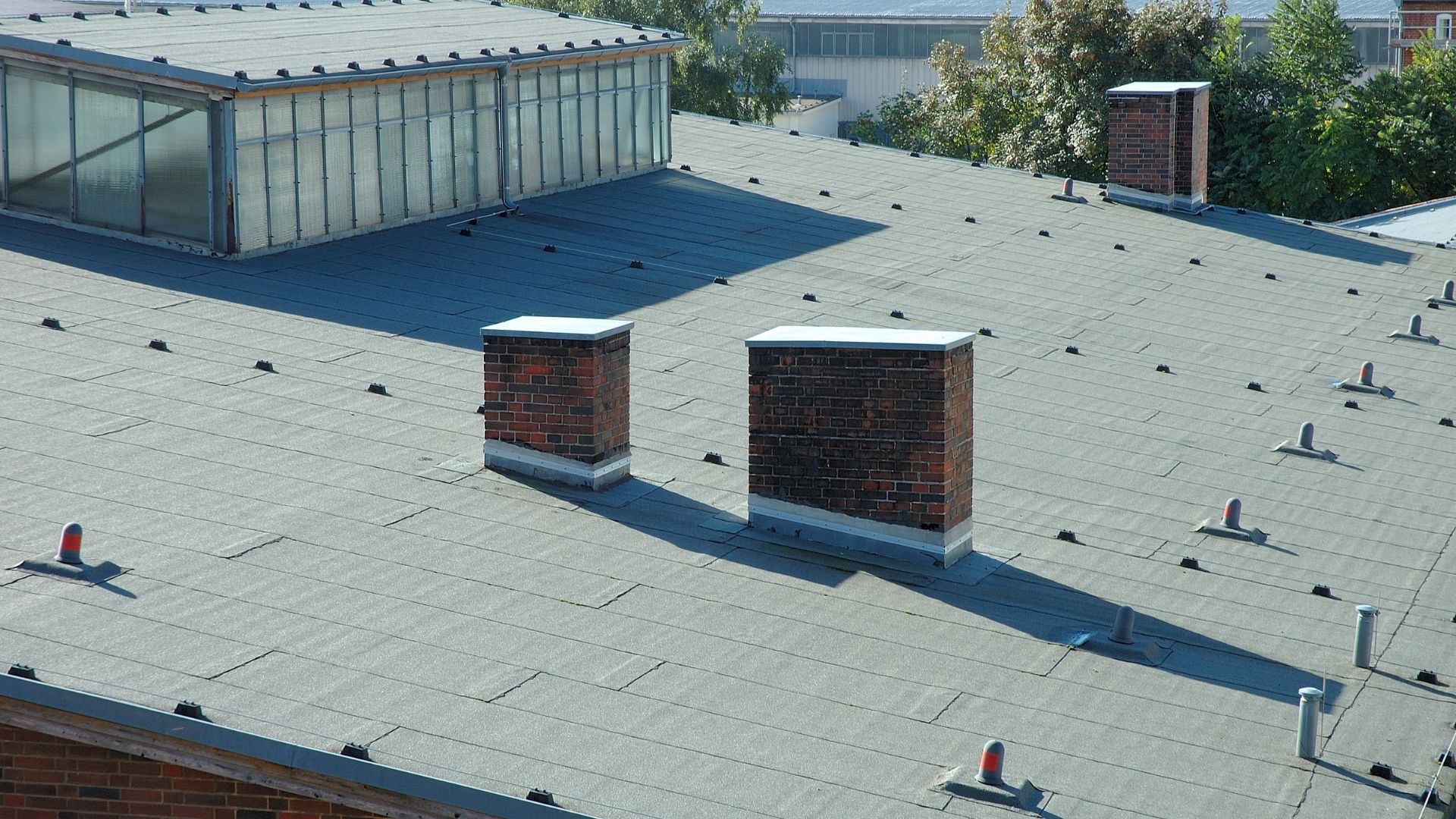
When it comes to commercial or residential roofing, flat roofs are a popular choice for many property owners. Their modern appearance and functional design make them ideal for a variety of buildings, from commercial warehouses to urban homes. However, like any roofing system, flat roofs have their advantages and disadvantages. Understanding these pros and cons can help you make an informed decision for your property.
Pros of Flat Roofing Systems
1. Cost-Effective Installation
Flat roofing systems are generally less expensive to install compared to pitched or sloped roofs. They require fewer materials, less labor, and can often be completed faster, making them a budget-friendly option for both commercial and residential properties.
2. Usable Roof Space
One of the biggest advantages of a flat roof is the extra usable space it provides. Property owners can use the roof for HVAC systems, solar panels, rooftop gardens, or recreational areas. This makes flat roofs particularly appealing for urban buildings with limited ground space.
3. Easy Maintenance and Inspection
Flat roofs are easier and safer to access than sloped roofs, making routine maintenance, inspections, and minor repairs simpler. This accessibility allows property owners to quickly address leaks or damage before they become serious issues, potentially extending the roof’s lifespan.
4. Modern Aesthetic
Flat roofs offer a sleek, contemporary look that complements modern architectural styles. Their clean lines and minimalist design make them a popular choice for commercial buildings, apartment complexes, and stylish residential homes.
5. Compatibility with Modern Roofing Materials
Flat roofs work well with advanced roofing systems, such as spray roofing membranes or single-ply membranes, which provide excellent waterproofing and energy efficiency. These materials are designed to handle the unique challenges of flat roofing, including water pooling and heat exposure.
Cons of Flat Roofing Systems
1. Drainage Issues
Unlike sloped roofs, flat roofs do not naturally shed water. Poor drainage can lead to water pooling, which increases the risk of leaks and structural damage over time. Proper installation of drains, slopes, and waterproof membranes is essential to avoid these issues.
2. Shorter Lifespan
Flat roofs generally have a shorter lifespan compared to pitched roofs. Depending on the materials used, they may require more frequent repairs or replacement over time, especially in regions with harsh weather conditions.
3. Susceptibility to Damage
Flat roofs are more exposed to the elements, including heavy rain, snow, and UV rays. Without proper maintenance, they can develop cracks, blisters, or punctures, which can lead to leaks and costly repairs.
4. Limited Material Options
While flat roofs work well with certain modern materials, they are less versatile than pitched roofs in terms of traditional roofing materials like shingles or tiles. This can limit aesthetic choices for some property owners.
Conclusion
Flat roofing systems offer several benefits, including cost-effective installation, extra usable space, easy maintenance, and modern aesthetics. However, they also come with challenges such as drainage issues, a shorter lifespan, and susceptibility to damage. For property owners considering a flat roof, it’s crucial to work with a professional roofing contractor who can ensure proper installation, maintenance, and material selection to maximize the roof’s performance and longevity.
By understanding the pros and cons of flat roofing systems, you can make an informed decision that balances style, functionality, and durability for your property.